acl rehab in charlotte—
Return stronger than before
ACL Rehabilitation in steele creek, Charlotte, Ballantyne & Fort Mill
Here are some scary stats. 1 in 4 athletes who return to sport after ACL surgery will tear it again. And fewer than 6 in 10 ever make it back to the level they were playing at before. The difference between those who make it back and those who don't almost always comes down to one thing: the quality of their rehabilitation.
Just out of surgery?
If you're in the early weeks post-op, the foundation you build right now matters more than most people realize.
Controlling swelling, restoring quad activation, and regaining full range of motion in those first weeks sets the tone for your entire recovery.
Starting PT early — ideally within 1–2 weeks of surgery — gives you the best possible runway for a full return to sport.
what most acl rehab gets wrong
Too many athletes complete rehab and return to sport still operating at 70–80%. Not because they didn't work hard, but because their program stopped at pain resolution and basic range of motion. Research consistently shows that athletes who return to sport without meeting objective strength and movement criteria are significantly more likely to suffer a second ACL tear.
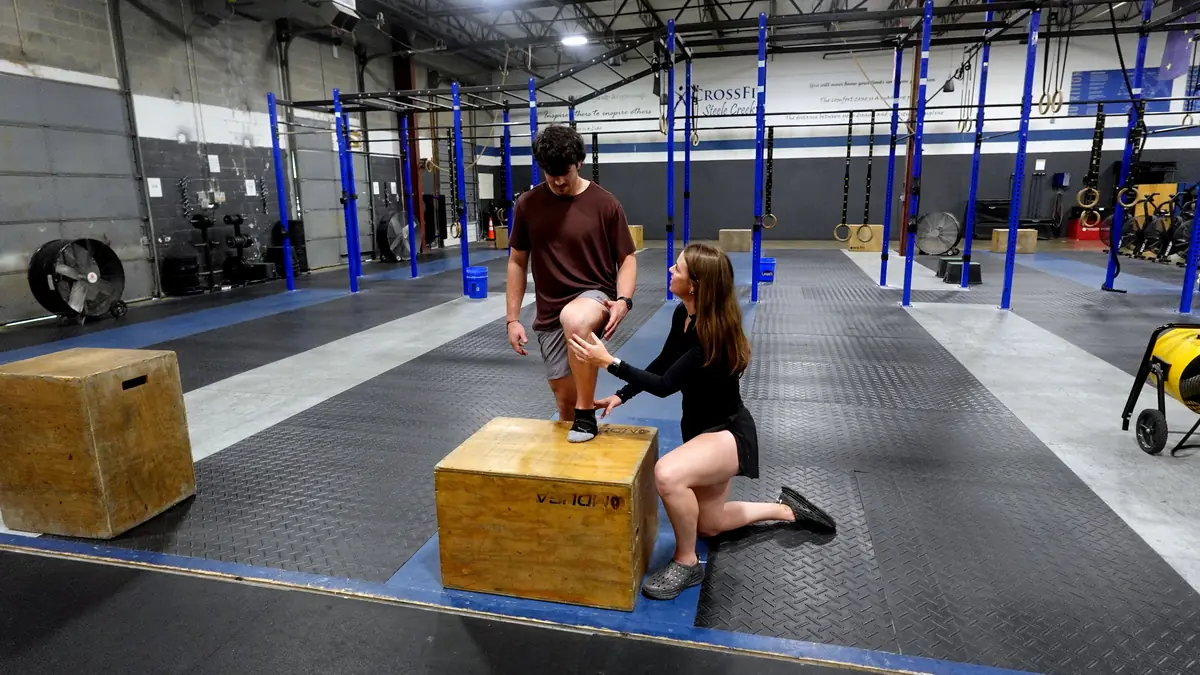
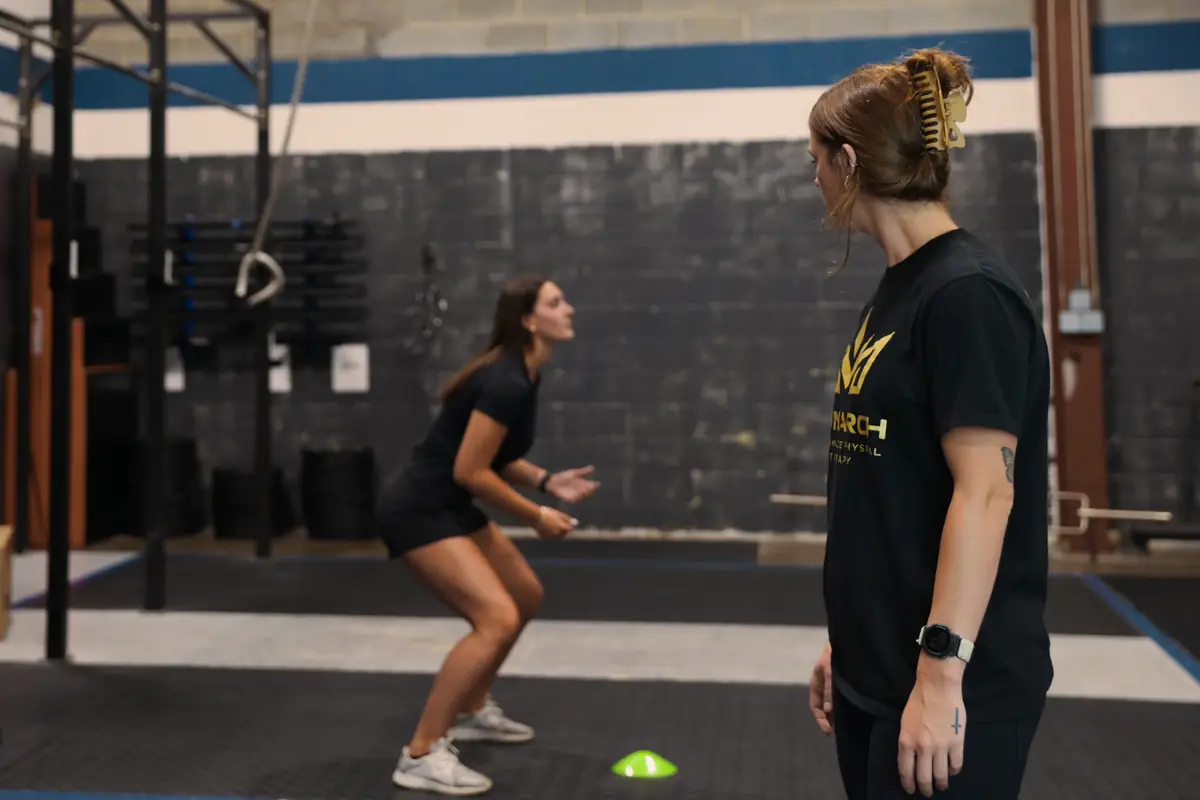
At Monarch, return to sport is criteria-based, not calendar-based. We use objective strength testing, movement assessments, and sport-specific benchmarks to determine when you're truly ready.
Maybe your surgeon cleared you months ago. You're walking fine, the pain is gone, and on paper everything looks good. But you're still hesitant to cut hard, land from a jump, or push at full intensity. You don't feel like yourself yet and you're not sure why.
You're not alone. This is one of the most underserved gaps in ACL care. Passing a timeline isn't the same as being ready, and most traditional clinics discharge athletes long before they've addressed the strength deficits, movement asymmetries, and psychological readiness that actually drive reinjury risk.
This is exactly where Monarch specializes. If you've been cleared but don't feel done — you're not. Let's finish the job.
Cleared, but not back to full performance?
who we work with
Post-op ACL reconstruction — BPTB, hamstring, and quad tendon, cadaver grafts
BEAR Procedures
Non-operative ACL management
ACL + meniscus repair combined rehab
ACL + collateral ligament involvement
Second ACL tears and revision reconstruction
Athletes cleared but not back to full sport performance
ACL rehab faq
-
Most athletes can expect 9–12 months from surgery to full return to sport, though this varies based on graft type, sport demands, and individual progress. At Monarch, we use objective criteria, not just timelines, to determine readiness.
-
As soon as possible! Early PT is critical for controlling swelling, restoring quad activation, and preventing the muscle atrophy that compounds throughout recovery.
-
Yes — this is one of the most common situations we see and one of our biggest areas of focus. Being cleared by your surgeon means the graft is structurally sound, but it doesn't mean your strength, movement patterns, and confidence are where they need to be. We'll assess exactly where your deficits are and build a program to close the gap.
-
Yes. Some patients, particularly those with lower rotational sport demands, are candidates for non-operative management. We can help evaluate whether this is appropriate for your situation and build a program around it.
-
Every session is one full hour, one on one. You will never split your time or share your therapist with another patient. That alone accelerates results faster than the traditional PT model, especially for something as demanding as ACL rehab. And every one of those hours is spent with a Doctor of Physical Therapy and Certified Strength and Conditioning Specialist, which means from day one the mindset is performance-driven.