So you just had ACL surgery (or you're about to) and your surgeon told you which graft they were using, maybe even explained it for a few minutes. And then you walked out of that appointment and immediately googled everything you could find about it.
That's how most people land here.
The graft your surgeon chose matters. Not because one is universally better than another, but because each one has a different healing timeline, different strength considerations, and requires a different approach during rehab.
If you're in Charlotte and trying to understand what you're actually dealing with, and what your recovery should look like, this is the breakdown you need.
What Is an ACL Graft?
When your ACL tears, it doesn't heal on its own. The ligament has poor blood supply and the torn ends don't reliably reconnect with enough structural integrity to function under load.
ACL reconstruction replaces the torn ligament with a graft; a piece of tendon tissue that gets threaded through bone tunnels in your tibia and femur and fixed in place. Over time, that graft undergoes a biological process called ligamentization, where it gradually takes on the structural and mechanical properties of a native ACL.
That process takes time. A lot more time than most people expect.
There are three main graft options used today. Here's what you need to know about each one.
Patellar Tendon Graft (BTB)
What it is: The middle third of the patellar tendon is harvested, along with bone plugs from the patella and the tibial tubercle. That's where the name comes from — bone-tendon-bone, or BTB.
Why surgeons use it: BTB has historically been considered the gold standard for competitive athletes. The bone plugs integrate into the tunnels faster than soft tissue alone, which gives early mechanical fixation. It also tends to have strong long-term outcomes in terms of rotational stability and re-tear rates.
What it means for your rehab:
The harvest site matters here. You're losing a portion of your patellar tendon, which means anterior knee pain, kneeling pain, and patellar tendon soreness are common during recovery, sometimes for a year or longer. Quad strength deficits early on can be significant.
BTB grafts also carry more donor site morbidity, meaning you're managing two areas post-op: the reconstructed ACL and the place where the graft was taken.
Hamstring Tendon Graft
What it is: One or both of the hamstring tendons (most commonly the semitendinosus and gracilis) are harvested from the back of the thigh. The tendons are folded and bundled to create a multi-strand graft that's fixed in the tunnels with interference screws or other hardware.
Why surgeons use it: Hamstring grafts have a smaller donor site, less anterior knee pain post-op, and are generally easier to recover from in the early weeks. They're commonly used in younger athletes and in cases where the surgeon wants to minimize front-of-knee morbidity.
What it means for your rehab:
Here's the catch that a lot of people don't know going in: soft tissue grafts take longer to integrate into the bone tunnels than BTB. The healing timeline at the graft-bone interface is longer, which means the early stages of rehab require more conservative loading.
But the bigger issue? Your hamstrings just lost two tendons. Hamstring weakness post-op is real, measurable, and it matters for your return-to-sport. Your hamstrings are one of the primary dynamic stabilizers of the knee. They decelerate the tibia and protect the ACL graft during cutting and pivoting.
If your hamstring strength hasn't recovered, that protection is compromised.
Quadriceps Tendon Graft
What it is: A portion of the quadriceps tendon, which runs from the patella up into the quad muscle, is harvested and used for the new ACL.
Why surgeons use it: The graft is large and strong. Anterior knee pain tends to be less severe than BTB.
What it means for your rehab:
The quad is your primary driver of knee extension. Harvesting from the quad tendon means quad strength deficits post-op can be substantial and need to be addressed systematically. Early quad activation — straight leg raises, quad sets, neuromuscular re-education — is a priority from day one.
The good news is that the kneeling pain common with BTB is much less of an issue here. The donor site tends to be more tolerable.
Allograft: The One That's Different
An allograft uses donor cadaver tissue instead of harvesting from your own body. There's no donor site, which means less immediate post-op soreness and a cleaner early recovery.
However, allografts are generally not recommended for young, high-demand athletes.
Re-tear rates are higher compared to autograft options, particularly in athletes under 25. They're more commonly used in older, lower-demand patients or revision ACL surgeries.
If you're an active athlete under 40 and your surgeon is recommending an allograft, it's worth having a conversation about why.
What All Three Have in Common (That Most People Get Wrong)
Here's the truth that applies regardless of which graft you got:
You cannot time-base your ACL rehab.
The nine-month clearance date that gets thrown around is not a clearance. It's an estimate of when the graft has matured enough to begin the conversation about return to sport. Whether you're actually ready depends on whether you can objectively pass a battery of functional and strength tests — not on how many months it's been since surgery.
Criteria-based progressions exist precisely to reduce that risk. Time alone doesn't.
What Criteria-Based Return to Sport Actually Looks Like
At Monarch Performance PT, we use objective benchmarks throughout ACL rehab, not just at the end. Here's what that includes:
Strength testing: We want to see limb symmetry index (LSI) of 90% or greater for both quad and hamstring strength before returning to sport. We measure it. We don't estimate.
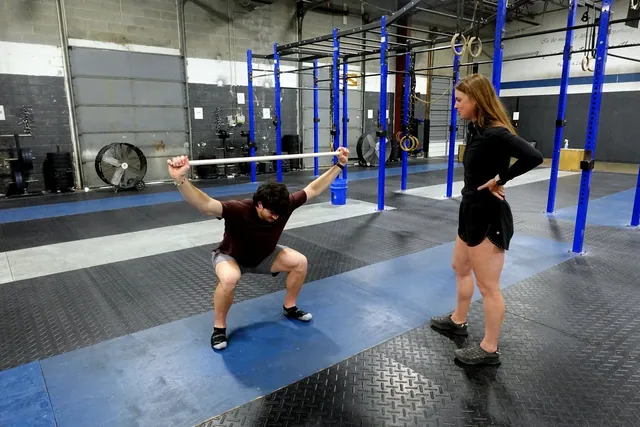
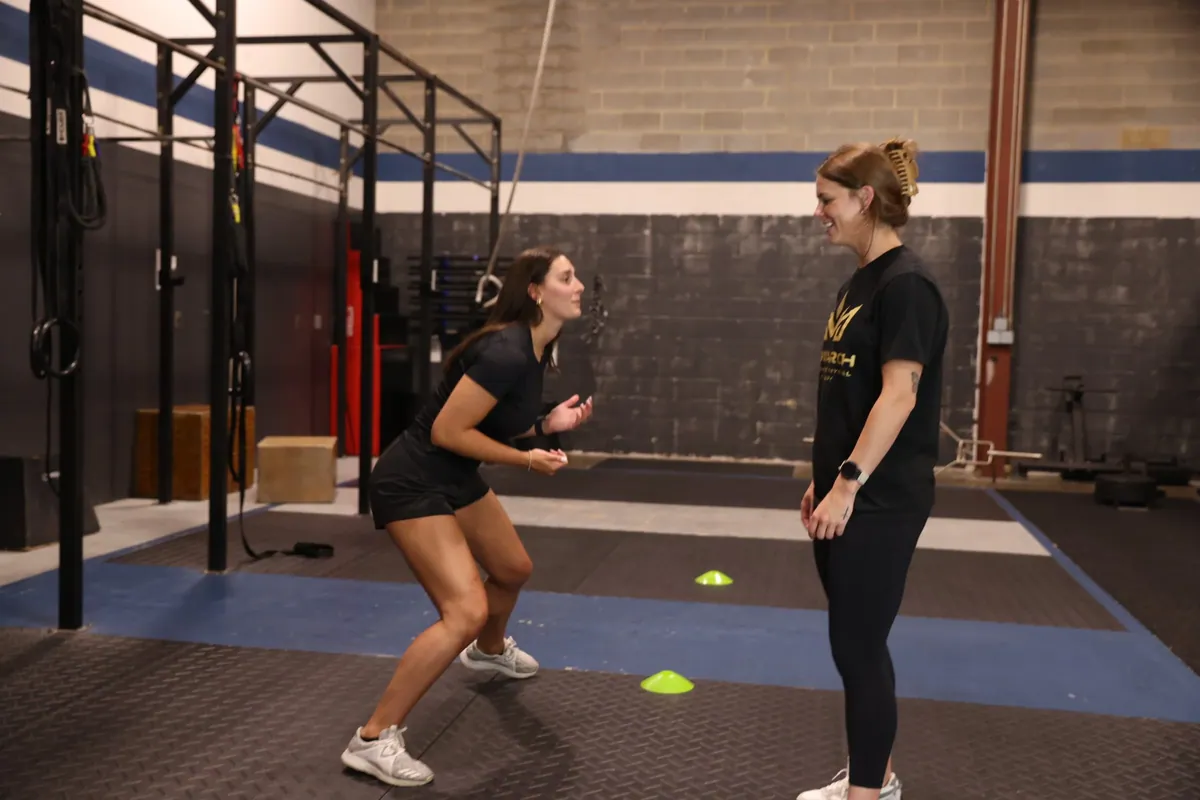
Hop testing: Single-leg hop, triple hop, crossover hop, and timed six-meter hop. Each gives us different information about power, neuromuscular control, and confidence under load.
Movement quality: How are you landing? How are you cutting? Are you loading both legs symmetrically? We look at this throughout the entire progression, not just at the end.
No one leaves our clinic "cleared" based on a date. They leave based on data.
So Which Graft Is Best?
The honest answer is that the best graft is the one your surgeon is most experienced performing, that fits your specific anatomy and goals, and that you commit to rehabilitating correctly.
What we can tell you is that the graft is only part of the equation. The rehab is the other part and it has to be systematic, progressive, criteria-based, and individualized to your graft type, your sport, and where you actually are in the healing process.
Working Through ACL Rehab in Charlotte?
Whether you're pre-op, two weeks post-op, or six months in and wondering why you still don't feel right — we can help.
At Monarch Performance PT, every ACL case is one-on-one with a sports physical therapist who has worked through return-to-sport progressions across multiple levels of competition. No aides, no double booking, no generic knee protocol.
If you're ready to actually understand what your body needs to get back to sport, book a free phone consultation here!