HYROX Recovery Guide: What to Do in the First 48 Hours After Your Race
You crossed the finish line of your HYROX race, woohoo!
Now what?
The next 48 hours are when your body shifts from performance mode into recovery mode. During this time, your muscles begin repairing, your nervous system starts calming down, and your energy stores are replenished. Understanding what's happening behind the scenes can help you recover more effectively, reduce unnecessary soreness, and get back to training feeling your best.
Here's what current research says about the first two days after a HYROX race, and what you should actually do to recover.
0–2 Hours After the Finish Line
Although the race is over, your body is still working hard.
By the time you cross the finish line, you've likely:
Depleted a significant amount of muscle glycogen (stored carbohydrates)
Lost fluids and electrolytes through sweat
Elevated your core body temperature
Created microscopic muscle damage
Activated your sympathetic ("fight-or-flight") nervous system for an extended period
Many athletes notice they feel both exhausted and strangely energized after finishing. That's completely normal. Your heart rate begins to recover quickly, but your nervous system and stress hormones may remain elevated for several hours.
Priority #1: Rehydrate
Water is only part of the equation.
Sweat also contains sodium and other electrolytes, and replacing both fluids and electrolytes helps restore normal body function and supports recovery.
Priority #2: Replace Your Carbohydrates
HYROX places a tremendous demand on your carbohydrate stores.
Running eight 1-kilometer intervals combined with sled pushes, sled pulls, burpee broad jumps, rowing, ski erg, farmers carries, sandbag lunges, and wall balls can significantly deplete muscle glycogen.
Fortunately, your muscles are especially receptive to replenishing glycogen during the first several hours after exercise.
Good post-race carbohydrate options include:
Rice
Potatoes
Pasta
Fruit
Oats
Bread
Chocolate milk
Don't worry about finding the "perfect" recovery meal. The priority is simply eating enough.
Priority #3: Eat Protein
HYROX creates microscopic damage to muscle fibers, particularly during eccentric movements like:
Sandbag lunges
Burpee broad jumps
Wall balls
Sled work
Protein provides the amino acids your body needs to repair that damage.
Aim for at least 20–40 grams of high-quality protein within a couple of hours after finishing, then continue eating protein regularly throughout the day.

12–24 Hours: The Calm Before the Soreness
Many athletes wake up the next morning thinking:
"Honestly...I don't feel that bad."
Don't be fooled.
Delayed Onset Muscle Soreness (DOMS) usually hasn't peaked yet.
During this period:
Inflammatory cells move into damaged muscle tissue.
Muscle proteins begin repairing.
Fluid accumulates around injured fibers.
Muscles gradually become stiffer and more sensitive.
You may feel relatively good now, but tomorrow could be a different story.
Should you stretch?
Contrary to popular belief, stretching has repeatedly been shown to have little effect on reducing DOMS or speeding recovery.
That doesn't mean stretching is bad, it simply means you shouldn't expect it to prevent soreness.
If stretching feels good because you're stiff, go ahead. Just don't rely on it as your primary recovery strategy.
What Should You Do Instead?
Instead of spending 30 minutes stretching, consider doing some light movement.
A simple 20–40 minute:
Easy walk
Zone 1 bike ride
Easy swim
can help reduce stiffness, maintain mobility, and get you feeling better without adding significant fatigue.
Motion is lotion!
24–48 Hours: Peak Muscle Soreness
This is usually when HYROX athletes start questioning every staircase.
Delayed onset muscle soreness typically peaks between 24 and 72 hours after strenuous exercise.
This soreness isn't caused by lactic acid.
In fact, lactate is cleared from your body within roughly an hour after exercise.
Instead, soreness comes from:
Microscopic muscle damage
Local inflammation
Increased sensitivity of pain receptors
Connective tissue stress
Movements like lunges, burpee broad jumps, wall balls, and sled work contain significant eccentric loading, which is one reason HYROX athletes often experience more soreness than after a typical gym workout.
The good news?
This soreness is a normal part of the recovery process and generally improves over the following several days.
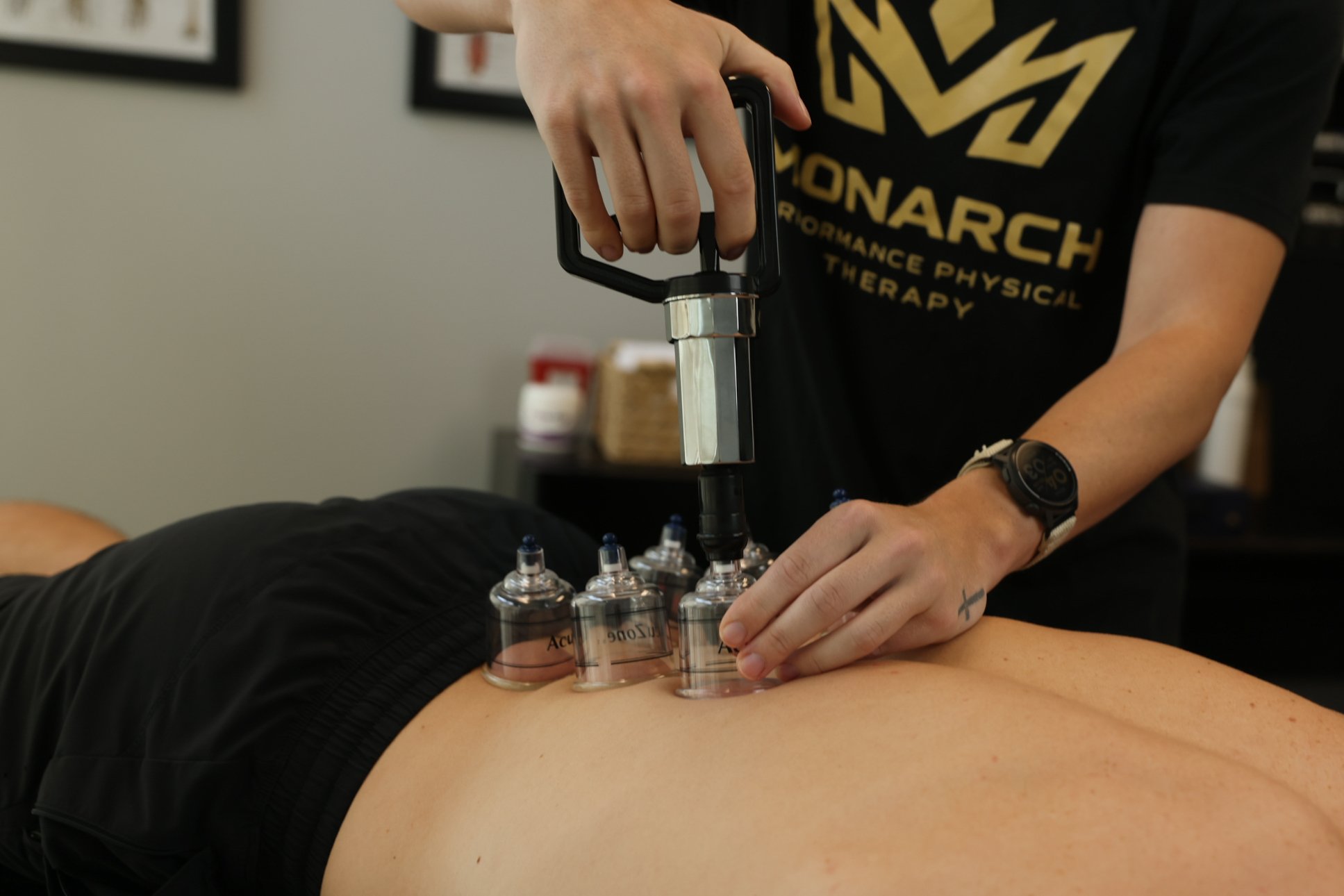
Foam Roll or Massage Gun?
Foam rolling is one of the most popular recovery tools—and one of the most misunderstood.
Current research suggests foam rolling does not speed muscle repair or reduce the actual muscle damage caused by exercise.
However, it can:
Temporarily reduce soreness
Improve range of motion
Help you feel better moving
If foam rolling helps you feel looser or more comfortable, it's absolutely reasonable to include it in your recovery routine.
Just don't expect it to "break up scar tissue," "release toxins," or dramatically accelerate healing.
Massage guns appear to offer similar benefits.
Research suggests they may:
Reduce perceived soreness
Improve temporary mobility
Help restore muscle function in the short term
Like foam rolling, they're best viewed as tools for symptom management rather than methods that speed biological healing.
Should You Take an Ice Bath?
This depends on your goal.
If your priority is recovering as quickly as possible because you have another competition or hard training session in the next day or two, cold water immersion has some of the strongest evidence for reducing soreness and improving short-term recovery.
It also appears to help your autonomic nervous system recover more quickly, which may improve how prepared you feel for your next effort.
On the other hand, if you're in the middle of a long-term strength or hypertrophy training program, taking an ice bath after every workout probably isn't necessary. Some research suggests frequent post-exercise cold exposure may reduce some of the signals involved in muscle growth and strength adaptations.
For most HYROX athletes, ice baths are best reserved for situations where rapid recovery is more important than maximizing long-term training adaptations.
The Most Powerful Recovery Tool Isn't a Gadget
Recovery tools are everywhere.
Compression boots. Massage guns. Cold plunges. Red light therapy.
They can all have a place. But none of them consistently outperform the basics.
The single most important recovery strategy is still sleep.
During sleep your body:
Repairs damaged muscle tissue.
Releases growth hormone.
Restores your nervous system.
Replenishes energy stores.
Supports immune function.
If you're choosing between buying another recovery gadget or getting an extra hour of sleep, choose the sleep.
Every time.
Final Thoughts
HYROX is one of the most demanding fitness races because it combines sustained running with repeated high-force strength movements. That combination creates stress on your muscles, cardiovascular system, and nervous system unlike many traditional endurance events or gym workouts.
The encouraging news is that recovering well doesn't require expensive gadgets or complicated routines.
The biggest drivers of recovery remain surprisingly simple:
Quality sleep
Adequate hydration
Carbohydrates and protein
Light movement
Time
Recovery tools like foam rollers, massage guns, compression boots, and ice baths can certainly help some athletes feel better, but they work best as supplements—not substitutes—for the fundamentals.
Master the basics first, and you'll put yourself in the best position to recover well, train consistently, and perform even better at your next HYROX race.