Physical Therapy for CrossFit Athletes in Charlotte
CrossFit tests more than your fitness. It tests how much you want it. The early mornings, the failed lifts, the workouts that humbled you before they built you. You show up anyway. But when the shoulder starts barking on every overhead, the low back locks up after deadlifts, or the knee pain makes every squat a negotiation, the grind starts working against you.
Monarch Performance Physical Therapy treats CrossFit athletes of the Charlotte, Ballantyne, Steele Creek, and Fort Mill area who refuse to let an injury decide when they stop competing. One provider, one-on-one, sixty minutes, every session. No aides, no generic protocols, no being told to just rest. A provider who understands what it costs to miss a training cycle and what it actually takes to come back without losing everything you built.
Crossfit is different
Common crossfit injuries Treated at monarch
-
Overhead pressing, snatches, overhead squats, pull-ups, and muscle-ups place extraordinary demand on the shoulder complex. Rotator cuff irritation and shoulder impingement are among the most common complaints in CrossFit athletes, and they are almost always a product of mobility restriction, motor control breakdown, or programming load that exceeded tissue capacity.
-
Deadlifts, cleans, snatches, GHD sit-ups, and toes-to-bar all create significant spinal load. Low back pain in CrossFit athletes is rarely a structural emergency and is most often a product of hip mobility restriction, posterior chain weakness, or a movement pattern that needs to be corrected under load
-
High-volume squatting, box jumps, double unders, and running all place repetitive load on the patellar tendon and the surrounding knee structures
-
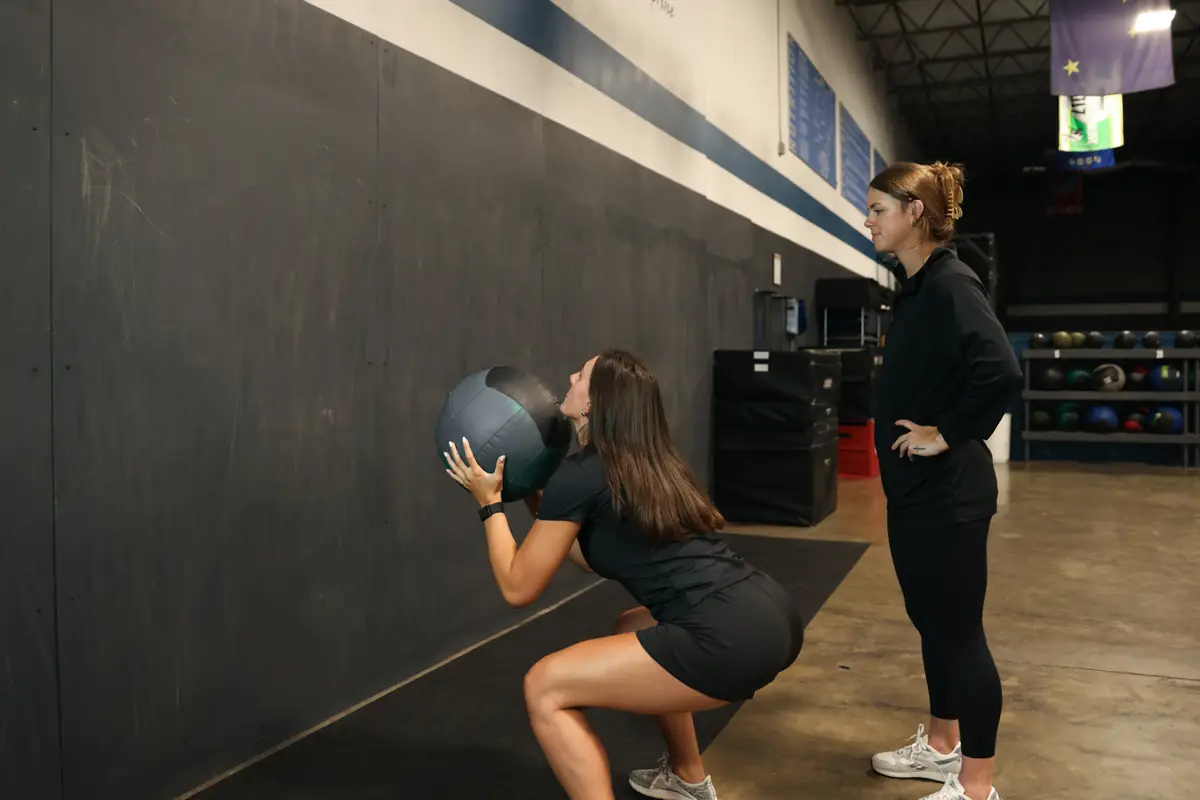
Box jumps, double unders, running, and wall balls all require significant Achilles tendon capacity. Achilles tendinopathy and ankle mobility restrictions are frequently overlooked as contributors to knee, hip, and low back problems in CrossFit athletes.
Why crossfitters choose monarch
We get it. CrossFit is not just a workout. It is a sport with real demands, real movement standards, and a real competitive culture. Treating a CrossFit athlete means understanding what a missed lift costs, what a training cycle looks like, and why "just rest" is never an acceptable answer.
what a session includes:
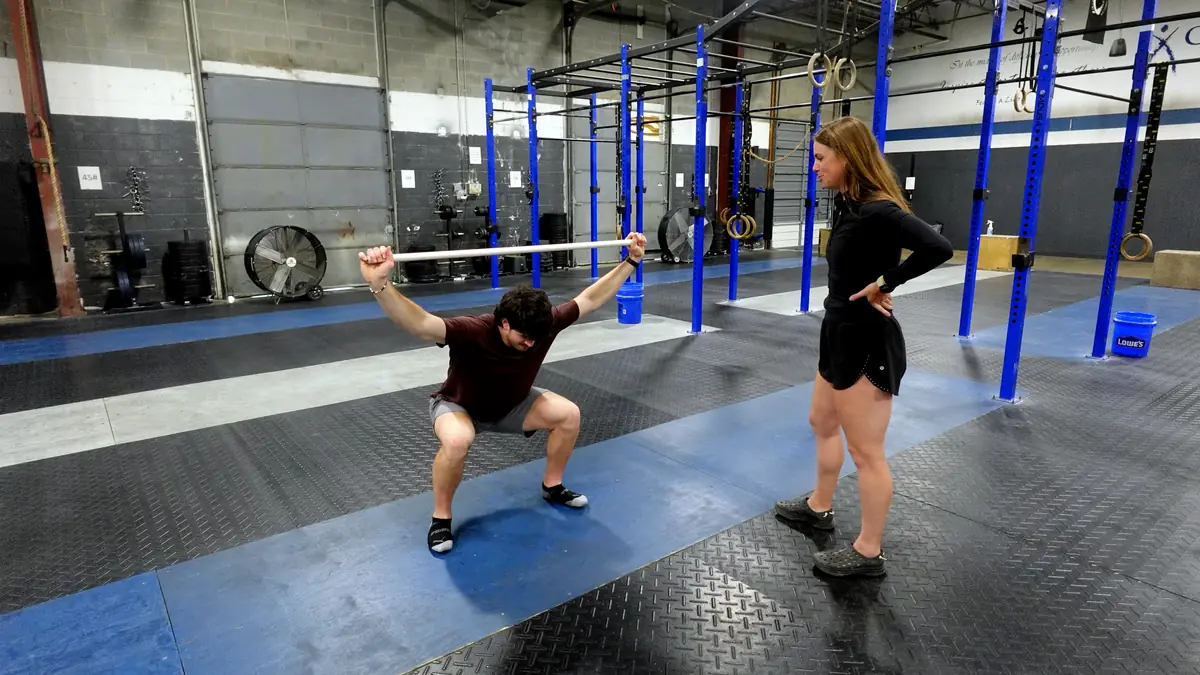
Full movement screen specific to CrossFit patterns — squats, hinges, overhead, pulling
Hands-on manual therapy and/or dry needling targeting the root cause, not just the painful area
Strength and mobility work progressed around your actual training schedule
A clear plan with an honest timeline so there are no surprises between sessions
Real Results
“The personalized exercises and guidance she provided have made a tremendous difference in both how I feel and how I function day-to-day. Thanks to her support, I have less pain, greater strength, and more confidence in my movement.”
— Jayme G.“Dr Kiley was very knowledgeable and listened to my concerns about my injury. I'm big into CrossFit and I had injured my groin muscle and needed a plan on how to strengthen it so it wouldn't keep effecting my workouts. She has me back on track and feel better so I can get back at it.”
— Susan D.“From the very first appointment, she made me feel comfortable, listened to, and genuinely cared about helping me feel better and not just rushing me through a session. She takes the time to explain everything in a way that actually makes sense, and you can tell she's knowledgeable and passionate about what she does.”
— Christine J.
Ready to get started?
Book your evaluation today!
Still have questions?
Fill out the form below for a free 15 minute phone consult to discuss your concerns, injury, and goals!