Fort Mill has quietly become one of the most athletically active communities in the Charlotte area.
Between the high school programs at Catawba Ridge, Nation Ford, and Fort Mill High, the adult recreational leagues, and the growing number of athletes who live here and compete at every level, there is no shortage of people training hard and dealing with the injuries that come with it.
The problem is that when something goes wrong, most athletes in Fort Mill end up at a general orthopedic clinic, get a diagnosis, and told to rest for 3-4 weeks and wait for a follow-up appointment.
That’s not a recovery plan, that is a waiting game.
Or, they get sent to a general outpatient physical therapy clinic where they share their 45 minutes with 2-3 other patients and get told to come 2-3x a week.
Both not ideal situations.
Below is a breakdown of the injuries we see most often in Fort Mill athletes and what recovery actually looks like when it is done right.
acl tears and knee injuries
ACL injuries are one of the most common and most mismanaged injuries in team sport athletes. The surgery, is relatively straightforward. But the rehab is where most athletes fall short.
The standard protocol for ACL rehab runs nine to twelve months. However, returning to sport isn’t just about hitting a timeline.
It’s about hitting objective criteria, like strength symmetry, hop test performance, neuromuscular control, and psychological readiness.
Those are all things that need to be assessed before nay athlete steps back onto a field or court. Athletes who return based on time alone re-tear at significantly higher rates than those who return based on criteria.
If you are currently in physical therapy for your ACL or knee in Fort Mill and your program consists of generic exercises without objective testing, you are not getting the standard of care your knee deserves.
Our ACL rehab approach uses criteria-based progressions at every phase, so that when you return to sport you feel confident that you are ready.
shoulder injuries in overhead athletes
Football players, baseball and softball athletes, volleyball players, swimmers—any athlete who puts significant demand on the shoulder is at risk. The most common presentations we see are rotator cuff irritation, labral pathology, shoulder impingement, and AC joint injuries.
The frustrating thing about shoulder injuries is how often athletes are told to rest, given a band exercise protocol, and sent on their way. Rest alone doesn’t fix the underlying movement dysfunction that caused the problem in the first place.
Without addressing shoulder blade coordination, rotator cuff strength, and sport-specific loading patterns, the injury will come right back.
A thorough shoulder assessment looks at where the breakdown is happening to uncover the root cause.
tennis elbow
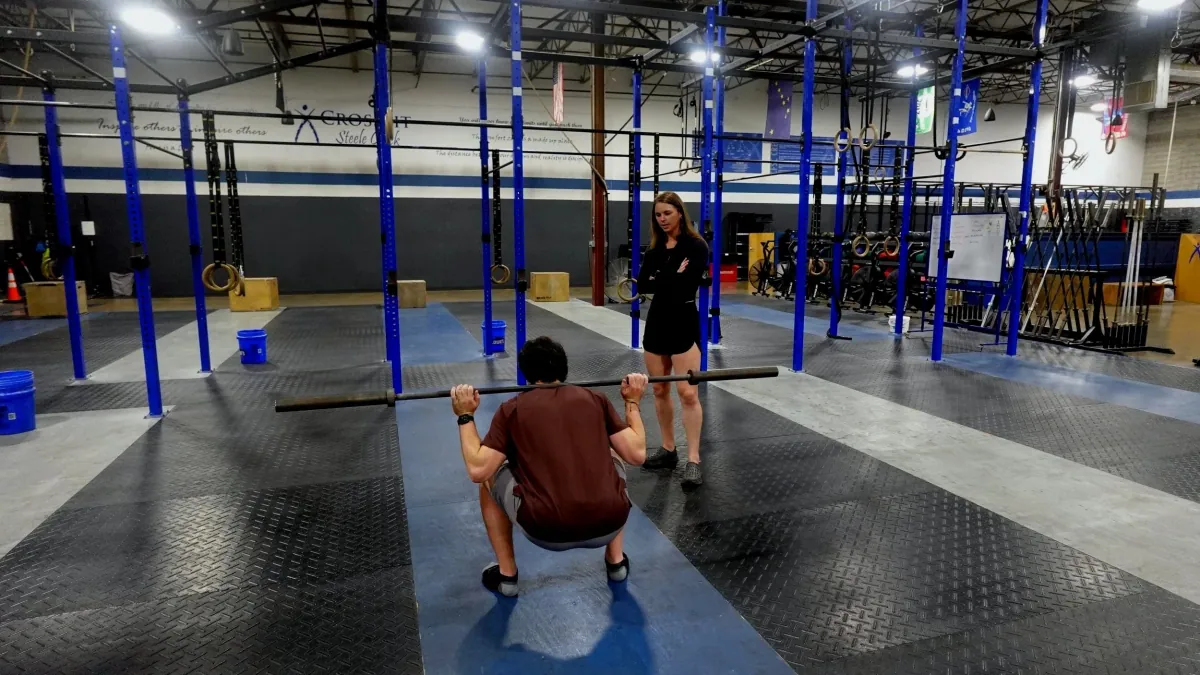
Lateral epicondylalgia, commonly called tennis elbow, shows up constantly in athletes who grip, pull, or repetitively load the forearm. Rowers, baseball players, CrossFit athletes, and racquet sport athletes are all susceptible.
The name is misleading. The problem is a tendon load management issue, not neccesarily inflammation. Which is why anti-inflammatories adn rest rarely fix it long-term.
Progressive tendon loading, addressing upstream mechanics at the shoulder and wrist, and sport-specific returnt o activity are what actually mvoe the needle.
If you have been dealing with lateral elbow pain for more than a few weeks and it keeps comin gback, it’s worth getting a real assessment rather than waiting it out.
mensicus injuries
Meniscus tears in team sport athletes are more common that most people realize, and the conversation about whether surgery is necessary is more nuance that most athletes are told.
Not all of them will limit you long-term with appropriate conservative management.
What matters is the type of tear, your symptoms, and what your functional demands actually are. An athlete who needs to cut, pivot, and sprint has different requirements than someone who wants to stay active without competition demands. The decision about how to manage a meniscus injury should be based on that full picture, not a blanket recommendation either way.
what fort mill athletes actually need
The common thread across all of these injuries is this: a diagnosis tells you what's wrong, but it doesn't tell you why it happened or how to make sure it doesn't happen again.
Getting to the root cause of the injury, whether that's a strength deficit, a movement pattern, a load management problem, or something else entirely, is what separates a real recovery from a cycle of the same injury coming back every season.
Monarch Performance PT serves Fort Mill athletes with one-on-one sports physical therapy built around finding that root cause and addressing it directly.
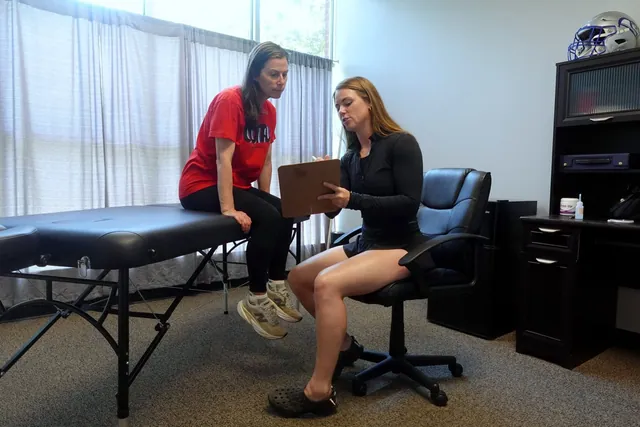
Your appointment will always be 1-on-1, for the full 60 minutes, with a Doctor of Physical Therapy. Because honestly, that is what gets real and faster results.
If you are dealing with one of these injuries and want a clear picture of the root cause and what it takes to get back, book your initial evaluation today!