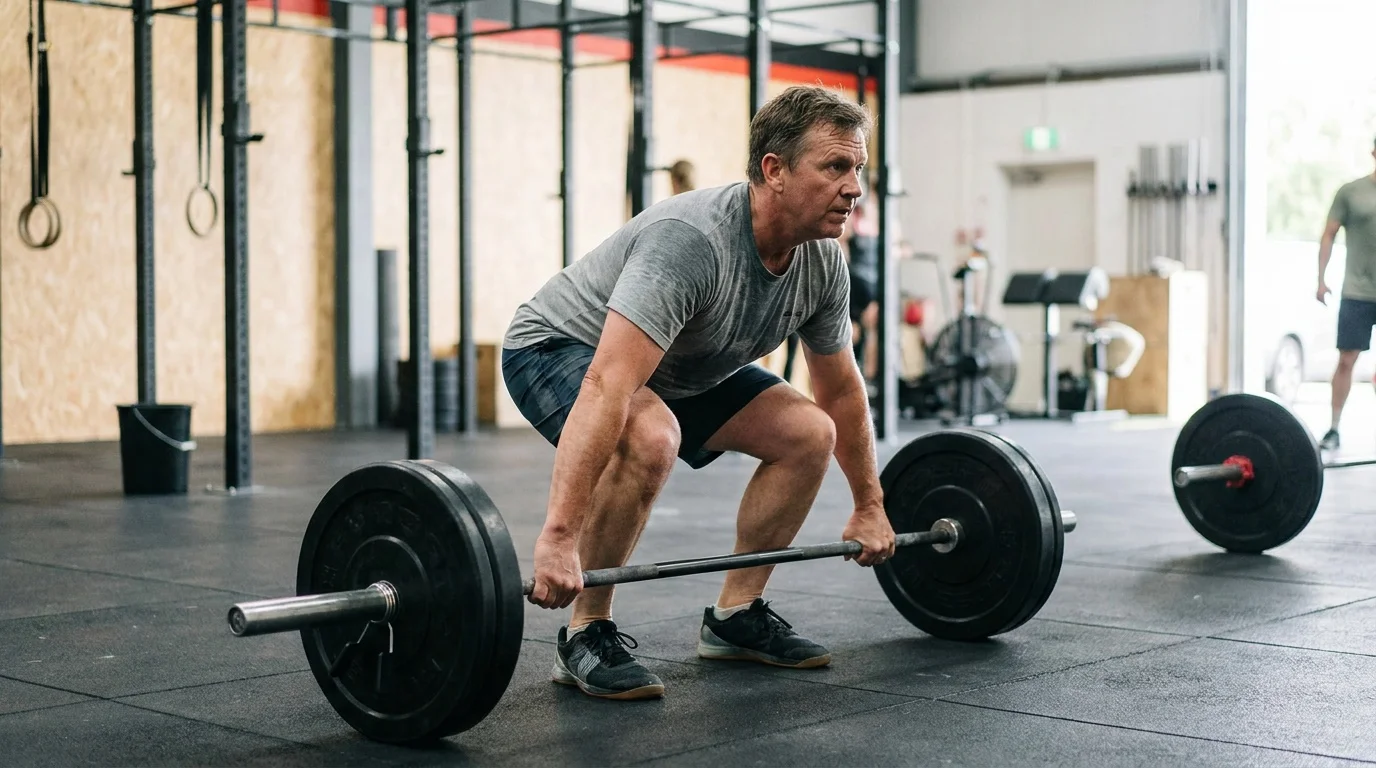
You finish a lifting session and your lower back feels tight. Maybe it settles by tomorrow. Maybe it grabs every time you bend over, and now you are wondering whether you should ever deadlift again.
Before you retire the barbell, we need a little more information.
Lower back pain after deadlifts can happen for different reasons. The useful question is what your symptoms are telling us about your current training and what needs to change so you can build back up.
Is It Soreness or Something That Needs Attention?
Your back muscles work during a deadlift. Feeling some muscle soreness after a new exercise or a harder session can happen, especially if you increased the weight or volume.
But soreness and pain are not always easy to separate. Pay attention to the pattern. Did it start suddenly during a rep? Is it getting better over the next few days? Can you walk and move normally? Does it travel down your leg?
Sharp pain, symptoms that keep returning with the same lift, or pain that changes how you move deserve more attention. You should not wait until you are fully limping around to get assessed.
Look at the Whole Training Week
The last rep gets blamed because that is when you noticed the pain. It helps to look at what happened before it.
Did you add heavy deadlifts after a weekend competition? Return to your old working weight after several weeks off? Combine heavy hinges, high-rep kettlebell swings, and rowing intervals in the same week?
That history matters. So do sleep, recovery, previous symptoms, and how hard those sessions felt.
Technique is part of the assessment, but it is not the whole explanation. There is no single perfect lifting position that guarantees you will never have back pain. I want to understand the lift you are doing, the load you are using, and what you have been prepared to tolerate.
How to Adjust Your Next Workout
If there are no concerning symptoms and movement is tolerable, we can often find a way to keep you active while changing the painful part of training. That does not mean pushing through your normal workout and hoping for the best.
Depending on your assessment, options might include:
- Reducing the weight and stopping sets before fatigue changes how you move.
- Reducing the number of sets or repetitions.
- Elevating the weight to shorten the range of motion temporarily.
- Using a different hinge variation that feels more comfortable.
- Replacing a painful movement with another exercise that supports your training goal.
For example, a lighter kettlebell deadlift from an elevated surface might be a useful starting point for one athlete. Someone else may need a different exercise or a temporary break from loaded hinging. These are options to test, not a universal back pain program.
Watch what happens during the session, later that day, and the following morning. If symptoms escalate, spread down your leg, or leave everyday movement noticeably worse, the adjustment needs another look.
What About Stretching and Core Exercises?
You do not automatically need to stretch your hamstrings harder or add more planks because your back hurts.
Some people benefit from specific mobility work. Others need a change in loading, an exercise progression, or a different way to approach the movement. Strength and endurance work can be useful, but the exercise needs to match the person.
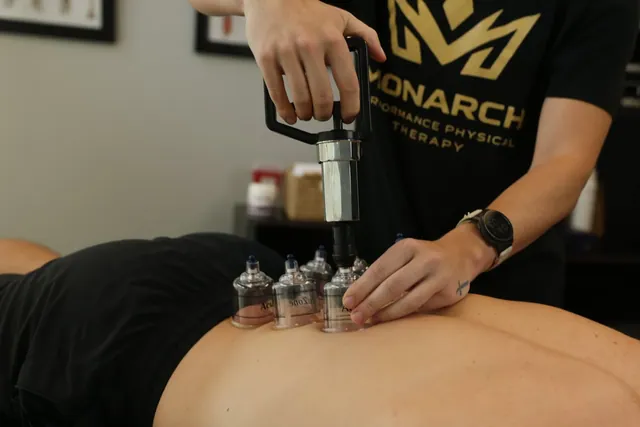
Clinical guidelines support active care and exercise for many presentations of low back pain. Hands-on treatment may help with symptoms, but it should support a plan that gets you moving and training again.
When Back Pain Needs Medical Attention
Get emergency care for new loss of bladder or bowel control, difficulty passing urine, numbness around the groin or saddle area, or rapidly worsening leg weakness. Those symptoms need urgent medical evaluation.
Back pain following significant trauma, or accompanied by fever or unexplained weight loss, also needs prompt medical attention. Tell your clinician about a history of cancer or symptoms that are severe and unrelenting.
For recurring training pain without those signs, an assessment can help determine the next step. You do not necessarily need an MRI before starting that conversation, and an MRI rarely tells the whole story anyway.
Getting Back to Heavier Lifting
Feeling better is useful information. The next step is showing that you can tolerate progressively more of the task.
We may build from a comfortable hinge to heavier sets, then add volume or speed as appropriate. If your goal is CrossFit, we also need to consider lifting under fatigue and how the movement fits into a workout.
At Monarch Performance Physical Therapy in Steele Creek, Charlotte, I look at your symptoms, strength, movement, and actual training schedule during a full hour of one-on-one care. The goal is a clear plan for getting back to the lifts you care about.
Common Questions
Should I stop deadlifting completely?
Sometimes temporarily, depending on the symptoms and diagnosis. Other times, changing the load, range, or variation is enough to keep you training appropriately. An assessment helps make that decision.
Does back pain mean my form is bad?
No. Technique may be relevant, but symptoms alone do not prove that you are lifting incorrectly or that your spine is damaged.
Can I train other body parts?
Often, yes, if those activities are appropriate for your situation and do not aggravate symptoms. Keep the plan specific to your assessment rather than using pain relief as permission to do everything.
Dealing With Back Pain Every Time You Deadlift?
Book a free 15-minute phone consultation and let's talk about what your next step should be. If you already know you want a plan, you can schedule your initial evaluation.
Thanks for reading!
-Dr. Kiley